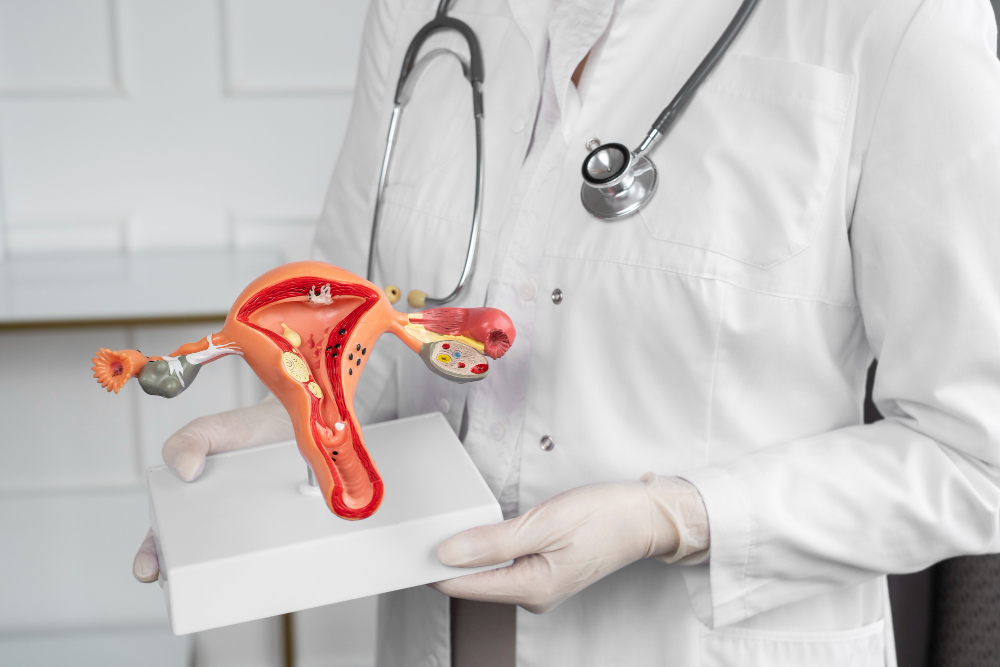
What Is Ovarian Reserve?
Ovarian reserve is a term that describes the number and quality of eggs in a woman’s ovaries. In fact, women are born with all the eggs they will ever have. Over time, this number goes down. As a result, ovarian reserve can affect a woman’s ability to get pregnant. Doctors often talk about ovarian reserve when discussing fertility.
Why Is Ovarian Reserve Important for Fertility?
Ovarian reserve plays a big role in fertility. For example, a higher ovarian reserve means more eggs are available for fertilization. However, as women age, both the number and quality of eggs decrease. This makes it harder to conceive. Because of this, knowing your ovarian reserve can help you plan for pregnancy. It can also guide treatment if you have trouble getting pregnant.
Symptoms or Signs of Low Ovarian Reserve
Often, low ovarian reserve does not cause clear symptoms. Still, some women may notice changes. For instance, you might have:
On the other hand, many women have no signs at all. Therefore, ovarian reserve testing is important if you have concerns.
Causes and Risk Factors
Several factors can lower ovarian reserve. While age is the main cause, other reasons include:
Because some causes are out of your control, it is helpful to know your risk factors.
How Ovarian Reserve Is Diagnosed
Doctors use several tests to check ovarian reserve. For example, common ovarian reserve testing includes:
These tests are simple and often done early in the menstrual cycle. As a result, your doctor can get a clear picture of your ovarian health.
Treatment Options and Management
Treatment for low ovarian reserve depends on your goals. If you wish to get pregnant, your doctor may suggest:
Sometimes, using donor eggs is an option. However, every woman’s situation is unique. Therefore, it is best to discuss options with a fertility specialist.
Lifestyle Tips to Support Ovarian Health
Although you cannot change your age, you can take steps to support ovarian health. For example:
Some women look for ways of improving ovarian reserve naturally. While lifestyle changes help overall health, there is no proven way to increase the number of eggs. Still, healthy habits can support your fertility journey.
Prevention and When to See a Doctor
Although you cannot prevent all causes of low ovarian reserve, you can lower some risks. For instance, avoid smoking and limit exposure to harmful chemicals. In addition, regular check-ups can help catch problems early. You should see a doctor if you:
Early testing and advice can make a difference. Therefore, do not wait if you have concerns.
Conclusion
Ovarian reserve is a key part of women’s fertility. While age and other factors affect it, early testing and healthy habits can help you plan. Consult a gynecologist or fertility specialist for personalized advice about your ovarian reserve.